
July 16, 2026
What makes a buyer fall for a character home in Comfort? Usually, it is not just square footage or a new finish. It is the feeling of authenticity, the story in the stonework, and the sense that the home belongs exactly where it sits.
If you are thinking about selling a character home here, you need a strategy that protects what makes it special while still giving buyers confidence in its condition and value. In Comfort, that balance matters. Here is how to position your home thoughtfully, market it well, and sell with a clear plan. Let’s dive in.
Comfort is not a generic Hill Country market. Its historic core is nationally recognized through the Comfort Historic District, and Texas Historical Commission materials identify the area as significant for community planning and architecture.
The district includes a long historic period and a wide range of styles and materials. You will see everything from log cabins, fachwerk, and stone vernacular buildings to Gothic, Queen Anne, Colonial, Victorian, Spanish, and Ranch influences. Local heritage materials also point to Comfort’s 1854 German immigrant founding, freethinking roots, and a downtown with more than 100 nineteenth-century structures.
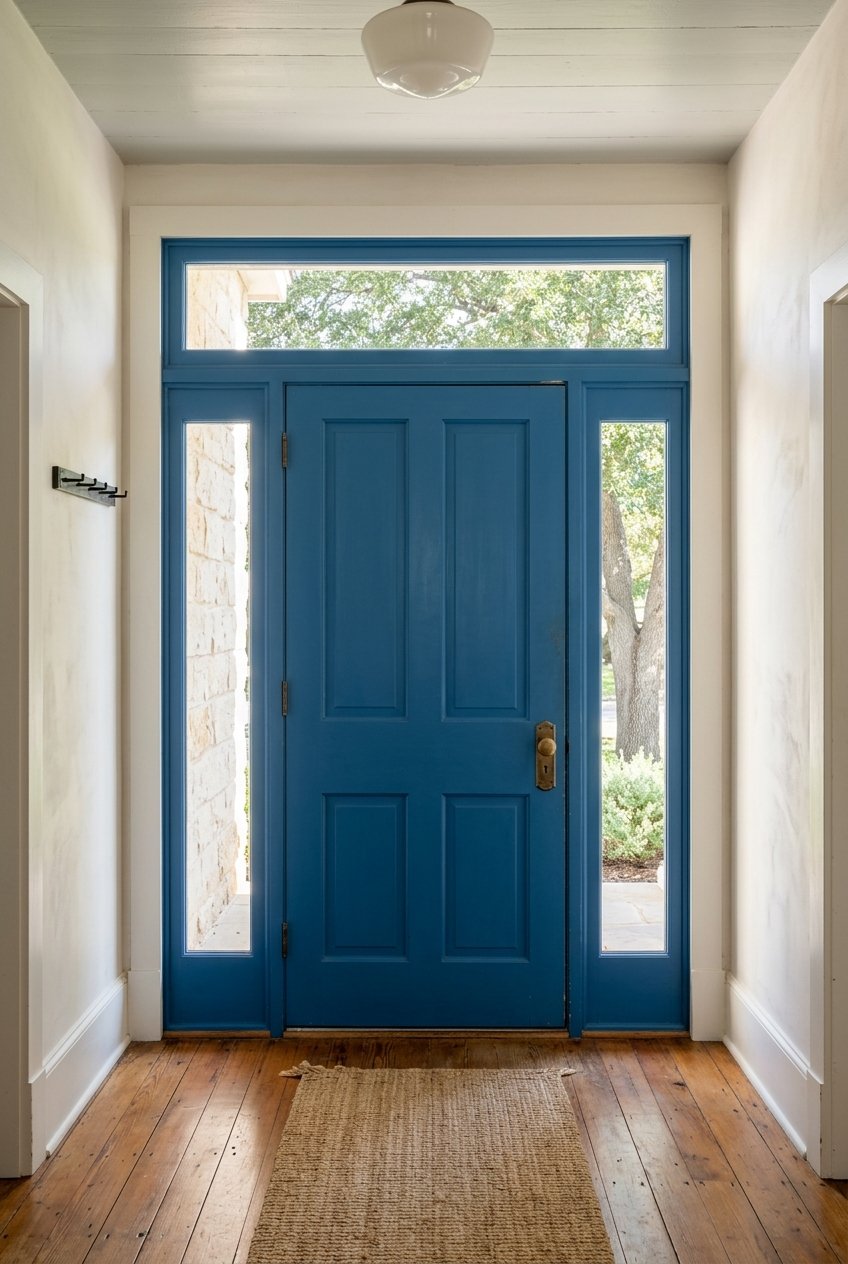
For sellers, that means character is part of the asset. Buyers are often responding to original materials, craftsmanship, porches, doors, rooflines, and the overall sense of place, not just the latest renovation trend.
One point often surprises sellers. The National Register designation itself does not place restrictions on private property owners.
That matters because many owners assume they cannot make normal updates before listing. In practice, ordinary pre-sale improvements are usually about marketability, maintenance, and buyer confidence rather than National Register compliance. Projects tied to grants or federal tax credits are a different matter, but for a typical sale, the bigger question is usually what will help the home present well.
You should still verify whether your property has any parcel-specific deed restrictions, HOA rules, or other requirements before making changes. If you are unsure, it is worth checking first, especially before altering older exterior features.
When you prepare a character home for market, the goal is not to erase its age. The goal is to show that it has been cared for.
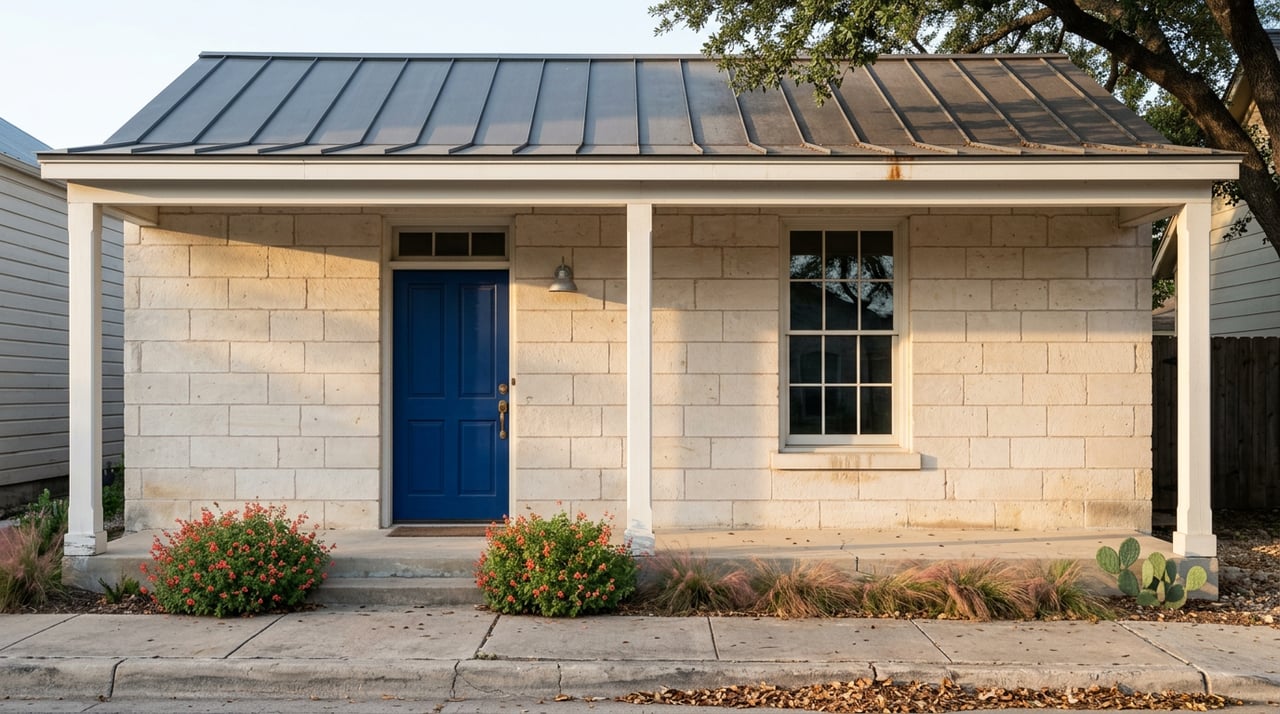
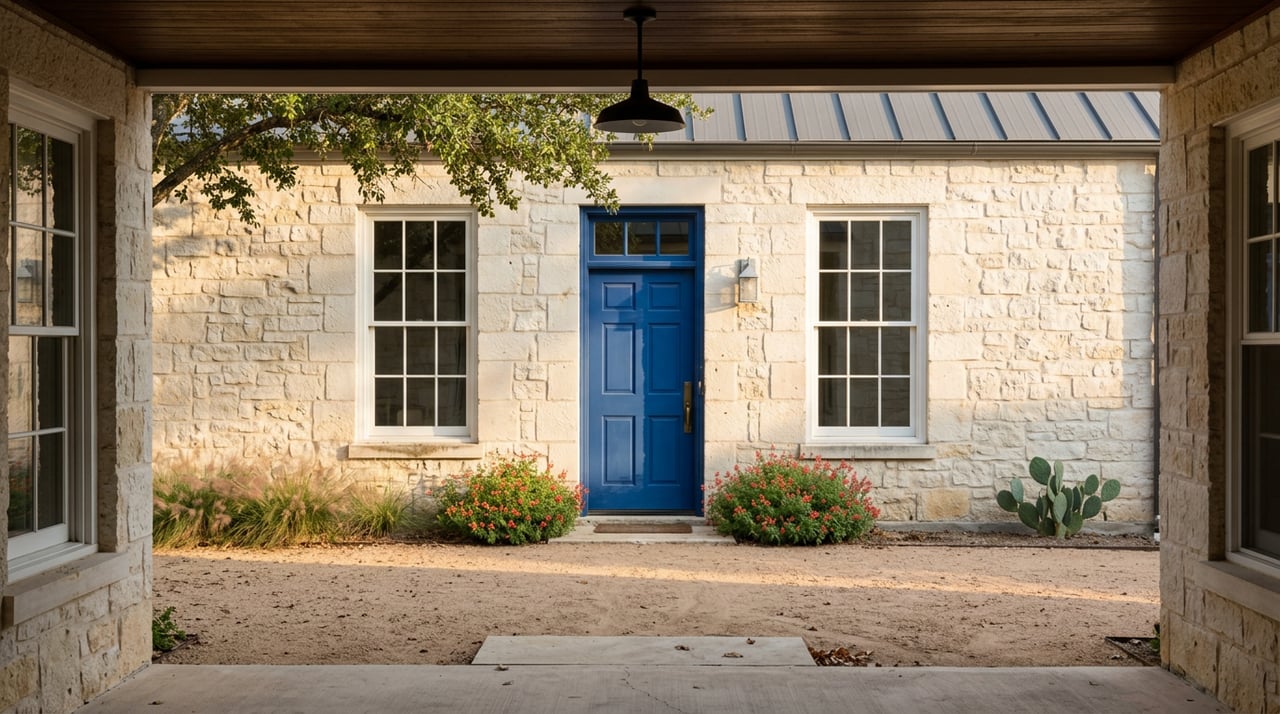
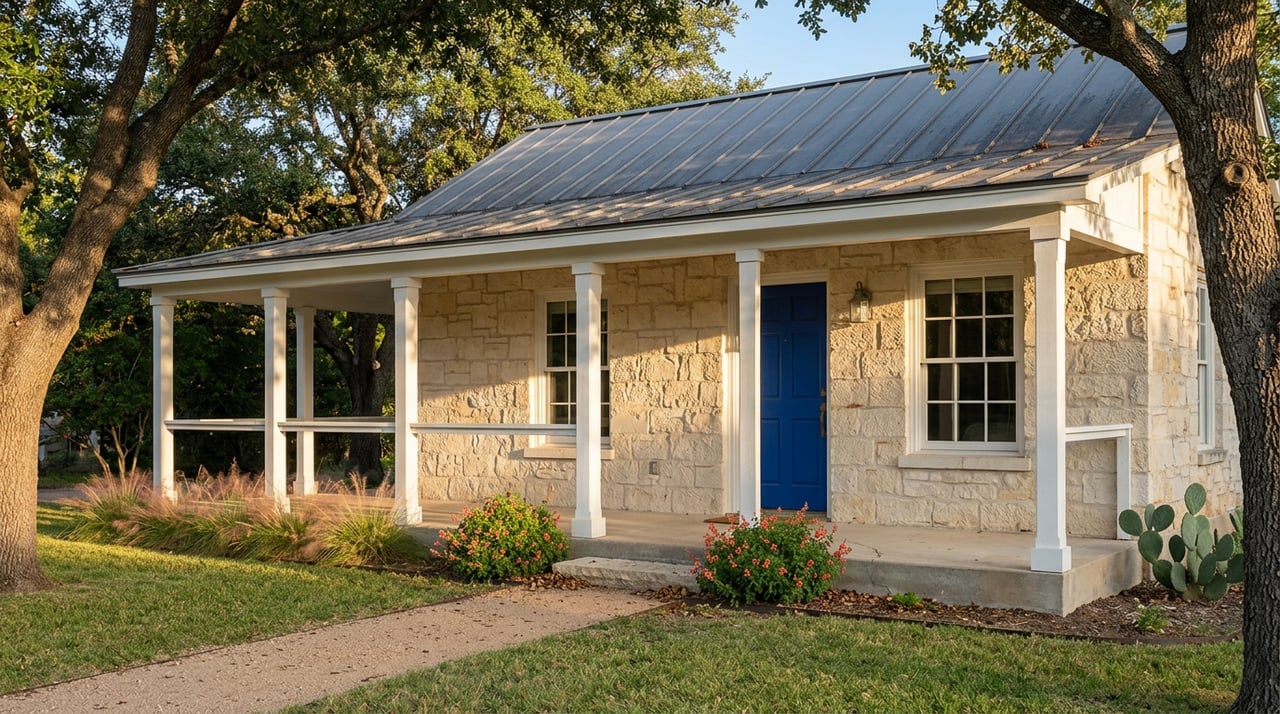
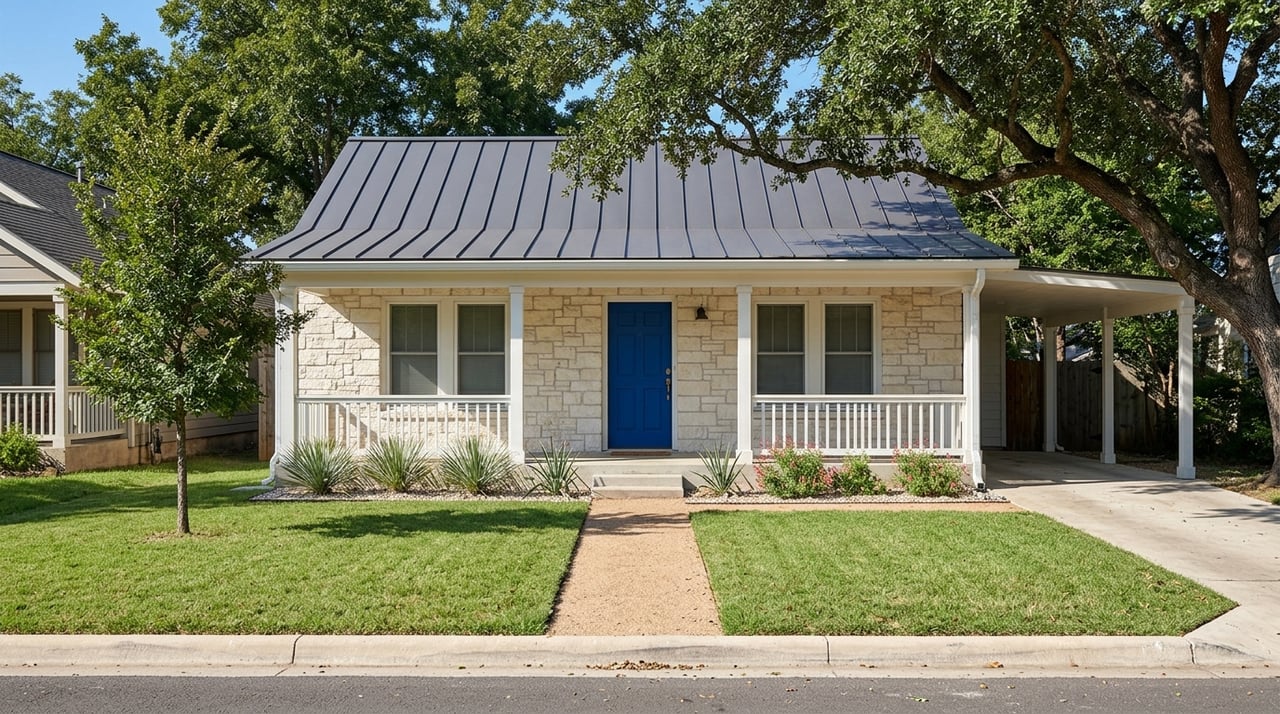
The strongest first step is to protect character-defining elements that buyers can see right away. In Comfort, that often includes masonry, porches, windows, trim, doors, rooflines, and original outbuildings.
In many cases, repair does more for value than replacement. If a feature can be preserved, that visible authenticity can be more persuasive than a full modern rework. When replacement is necessary, compatible materials and proportions usually serve the home better than something that feels out of place.
Character sells, but deferred maintenance can scare buyers off. If you are deciding where to spend money before listing, focus first on the items that shape first impressions and reduce perceived risk.
That often includes:
These updates do not need to make the house feel generic. They should make the home feel solid, functional, and ready for its next owner.
Comfort is a year-round destination, but spring and fall are considered peak seasons for ideal weather. That gives sellers a useful clue about preparation.
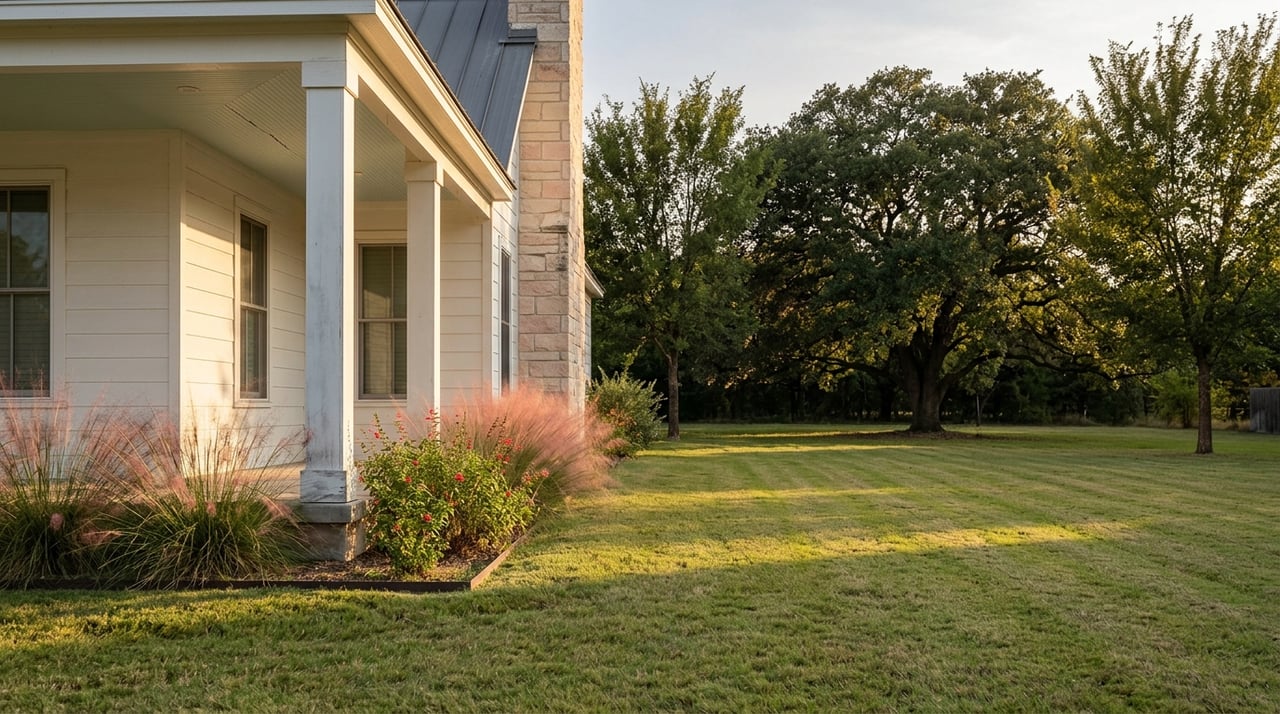
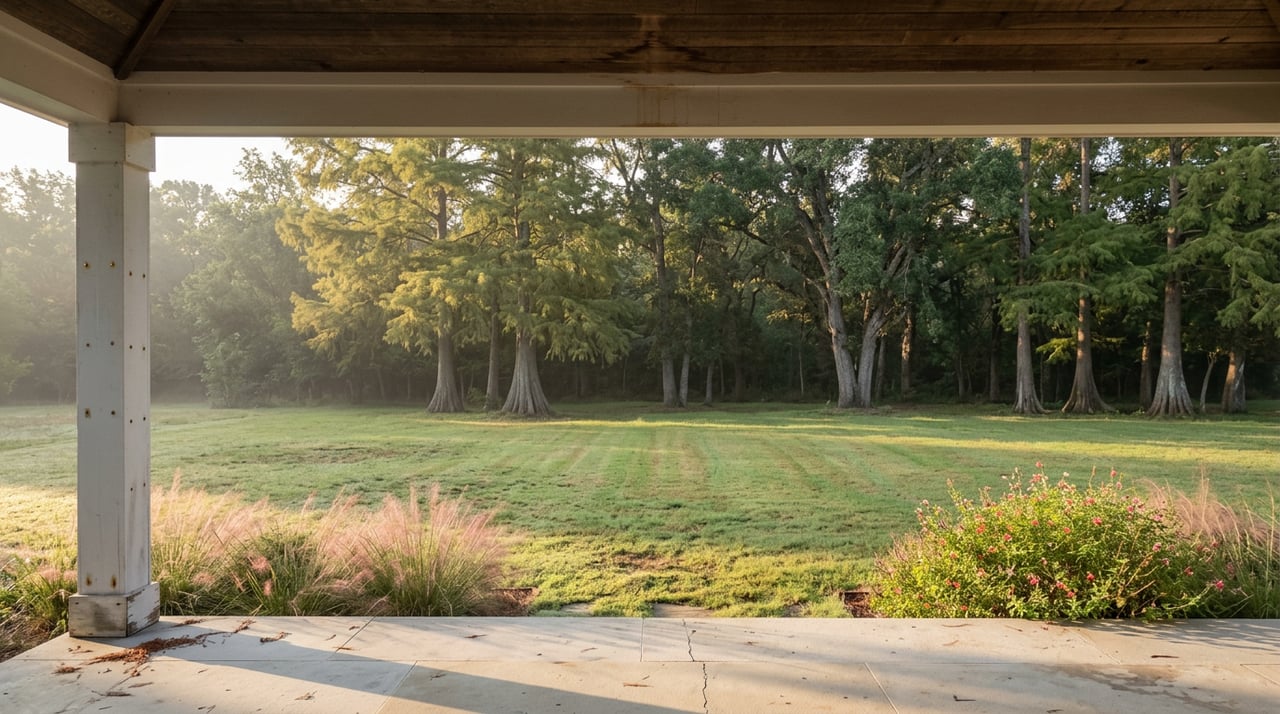
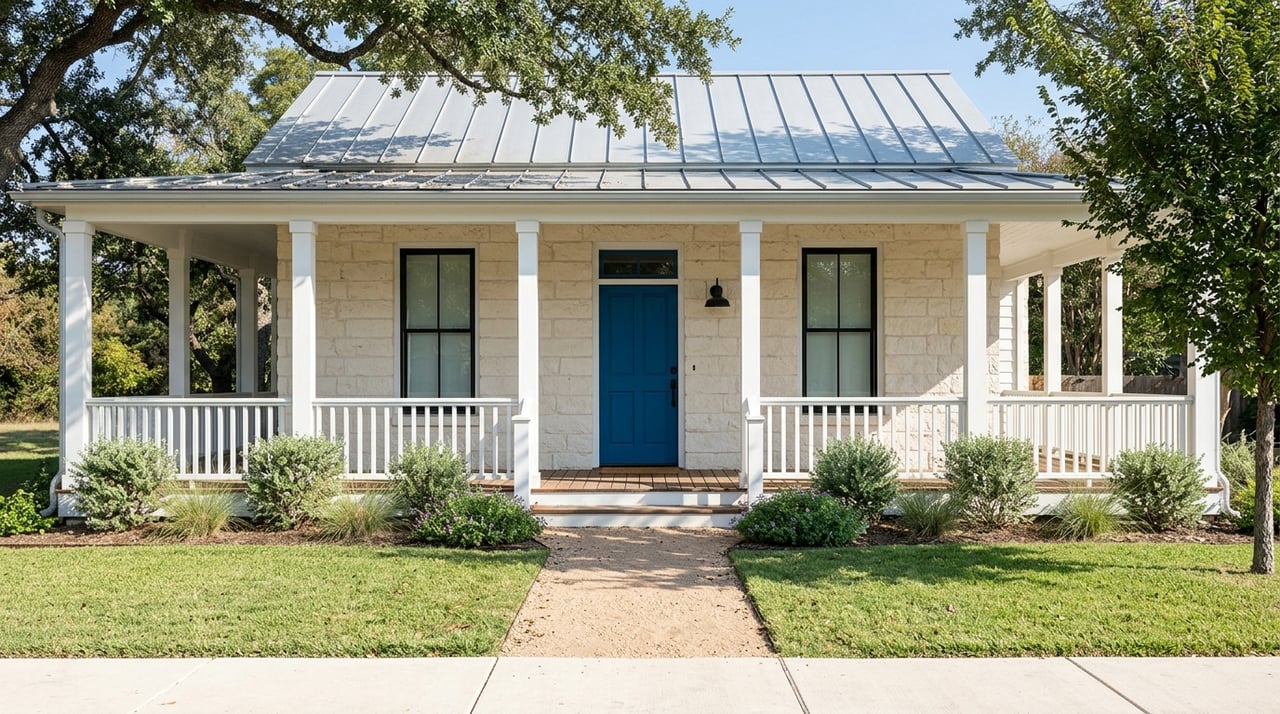
If your home benefits from gardens, porches, mature trees, or outdoor sitting areas, have those spaces ready before your marketing launch. A swept porch, healthy landscaping, and shaded outdoor seating can shape how buyers feel about the property before they even walk inside.
For many character homes, the outside is part of the story. Buyers are not just evaluating the structure. They are imagining morning coffee on the porch, evenings outdoors, and the connection between the home and the town around it.
Most buyers begin their search online, and listing photos strongly influence which homes they choose to visit. For a character home, that reality matters even more.
A one-of-a-kind property can be easy to undersell if the visuals are flat, dark, or overly edited. The listing needs to communicate the home quickly and truthfully. Buyers should be able to understand both the layout and the feeling of the property before they ever step through the door.
That is why strong visual marketing is not optional. It is one of the clearest ways to protect value when you are selling a distinctive home.
Staging works best when it highlights the home rather than distracts from it. According to NAR reporting, staging helps buyers visualize the property as a future home, and many professionals associate it with a potential value lift.
For a Comfort character home, simple staging is usually the right choice. Let the architecture lead. Clean sightlines, well-scaled furniture, and restrained decor help buyers notice the stonework, trim, ceilings, windows, and natural light.
The rooms that usually deserve the most attention are:
Avoid anything too themed or exaggerated. Overdone styling can make an authentic home feel less credible.
A character home in Comfort should never be marketed like an interchangeable listing. The strongest listing packages connect the property to real, local context.
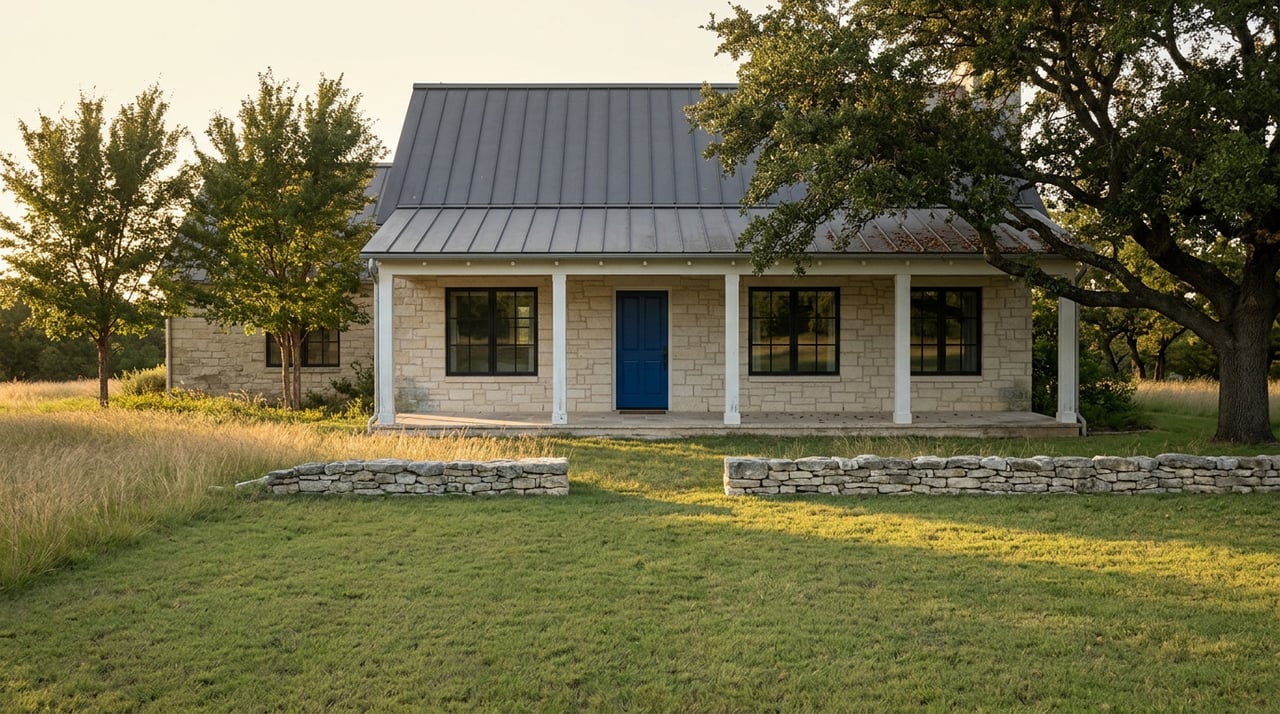
That might mean pairing photographs of porches, doors, stone walls, shaded yards, or original details with factual story cues about Comfort’s 1854 origins, freethinking roots, walking-tour tradition, and enduring historic architecture. Those details help buyers understand why the home feels different.
This kind of storytelling works because it is specific. It helps the buyer imagine ownership in Comfort, not just ownership of a house.
Pricing a character home in a small market takes care. In the 78013 ZIP code, Redfin data for the three months ending May 2026 showed a median sale price of $424,000, average market time of 76 days, and a 96.8% sale-to-list ratio.
Those numbers are useful for context, but they are not enough on their own. Redfin also notes that some home-type data in the area is limited, and the recent city-level sample for Comfort was very small. In a market with few sales, one or two closings can shift the median quickly.
That is why comp-led pricing matters. A smart strategy starts with nearby comparable sales, then adjusts for factors like architectural integrity, original materials, setting, lot size, and deferred maintenance.
Broader Kendall County data helps explain buyer mindset. The county’s owner-occupied housing rate was 79.5% in the 2020 to 2024 Census estimate period, and the median value of owner-occupied housing units was $512,700.
That does not tell you exactly what your home will sell for, but it does suggest that many buyers in the area may care about long-term stewardship, upkeep, and durability. For a seller, that supports a message of thoughtful ownership and credible maintenance rather than cosmetic shortcuts.
Seasonality can shape results, especially for homes that rely on exterior charm. In Comfort, spring and fall are the cleanest windows for ideal weather, while summer is hotter but still active and winter tends to be quieter.
If your home’s value is tied to gardens, porches, mature shade, or outdoor entertaining areas, March through May and October through November may offer the best setup for photography, showings, and an early marketing push. Better weather often means better visual presentation, and better presentation can translate into stronger buyer interest.
That does not mean you cannot sell well in another season. It means your timing should support the features buyers are most likely to remember.
If you want to keep the process focused, use this sequence:
This approach respects both sides of the equation. It protects what makes the home rare while addressing the practical concerns buyers bring to the table.
The best-selling version of a Comfort character home is usually not the one that has been stripped of its identity. It is the one that feels authentic, maintained, and clearly understood.
In a place like Comfort, buyers often recognize when a home has been cared for with restraint and purpose. When your presentation, pricing, and storytelling all support that message, you give the market a better chance to see the property for what it truly is.
If you are preparing to sell a distinctive Hill Country property and want an advisor-led plan built around presentation, pricing, and local context, Marjorie Group is here to help.
Stay informed with market trends, tips, and community highlights across Fredericksburg and the Hill Country.
From heritage ranches to distinctive homes—we help you move with purpose.
GET IN TOUCH
ADDRESS 106 S LINCOLN ST FREDERICKSBURG TX 78624