
May 28, 2026
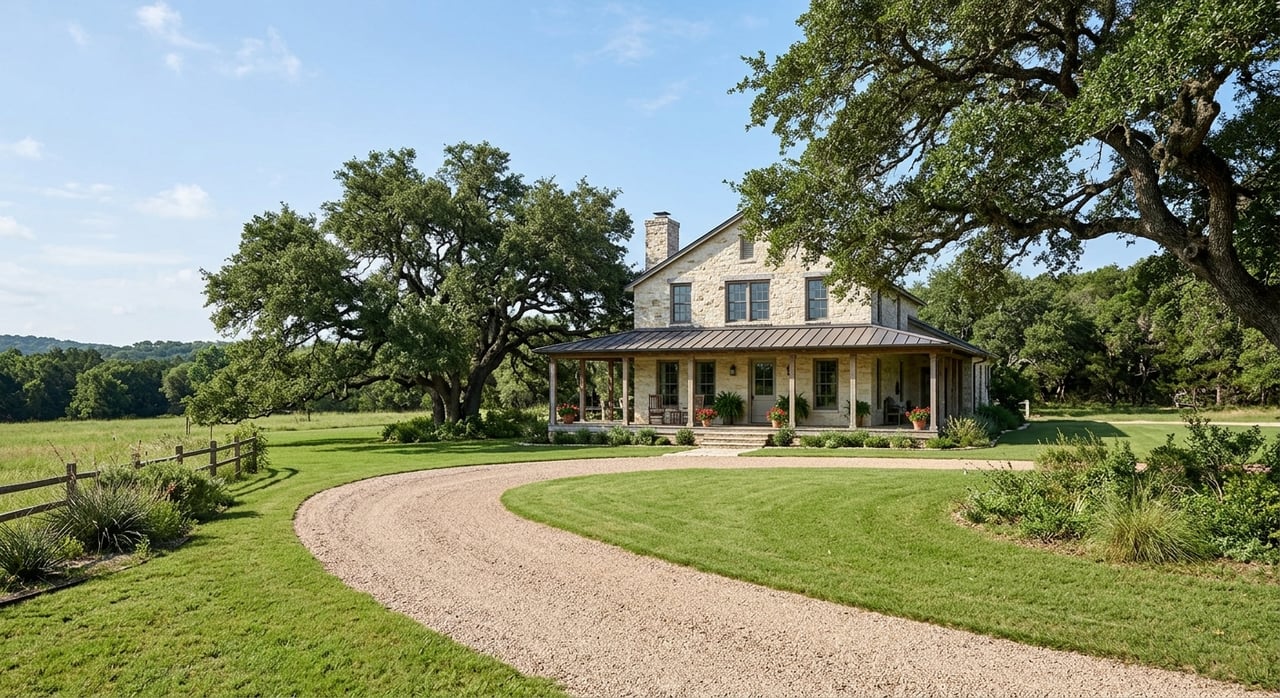
If you are shopping for acreage near Harper, the view is only part of the story. In this part of the Hill Country, land can be beautiful and still come with questions about water, access, septic, utilities, and future use. This guide will help you focus on the due diligence that matters most so you can buy with more clarity and confidence. Let’s dive in.
Harper is an unincorporated community on U.S. Highway 290 in far western Gillespie County, about 23 miles west of Fredericksburg. It has long been tied to ranching, and that history still shapes how many buyers think about land here.
For many buyers, Harper offers an acreage-first lifestyle. You may be looking for privacy, room to build, a weekend retreat, or a long-term land hold with Hill Country character. Compared with more service-oriented areas, Harper often appeals to buyers who want open space to take the lead.
The setting is also practical to understand, not just scenic. The broader Hill Country sits in a transition zone between humid and semiarid climates, with highly variable rainfall. That is one reason water source, drainage, and land management deserve just as much attention as the size of the tract.
One of the first questions to answer is simple: how do you legally get to the property? On acreage, the driveway you see on the ground does not always tell the full story.
If a tract depends on a private drive or shared easement, check the recorded access in Gillespie County land records before closing. You want the deed, survey, and real-world access to line up. That review can help you avoid surprises around maintenance, shared use, or gaps in legal access.
Gillespie County also handles right-of-way permits, subdivision reviews, rural 911 addressing requests, and floodplain help through the county engineer. If your plans involve new entrances, work inside public right-of-way, or a future split, those county rules matter early in the process.
If a private road serves more than one habitable structure, Gillespie County rural addressing rules require the road to be named and separate addresses to be assigned. That can be especially relevant if you are considering a guest house, cabin setup, or a small multi-structure property.
In other words, access is not just about getting to the gate. It can affect mailing, emergency response, utility setup, and how smoothly a property functions over time.
In the Harper area, water can be the most important part of acreage due diligence. If a property uses or may use groundwater, you will want specifics, not general assurances.
Gillespie County falls within the Hill Country Underground Water Conservation District. Because private well rules can vary by district, you should confirm whether the tract needs registration, a permit, or spacing review before you move forward.
The Texas Water Development Board identifies the Trinity Aquifer as a major aquifer in Central Texas. It also notes that groundwater quality can range from fresh and very hard to more saline at depth. For buyers, that makes a recent well log, pumping history, and water-quality test especially valuable.
If a seller says water is available, pause and clarify what that actually means. It could refer to an existing well, a public water system, or only the possibility of a future connection.
That distinction matters. Gillespie County subdivision rules require water-availability disclosures for platted subdivisions, and current rules include groundwater availability review when groundwater is the primary source. Before you make assumptions, verify the actual source and the current status of service.
Many rural tracts do not connect to a municipal sewer system, so septic planning becomes a key step. In Texas, permits are required for on-site sewage facilities, including septic systems.
The Texas Commission on Environmental Quality says these systems must be designed from a site evaluation that reflects local conditions. In Gillespie County, a Development Permit Determination from the county engineer must be completed before a septic application is considered complete.
That means a promising homesite still needs the right underlying conditions to support your build plan. If you are thinking about a primary home, guest house, or additional structures, ask early how septic approval may affect layout and timing.
Electric service is another area where rural buyers should avoid assumptions. Pedernales Electric Cooperative serves Gillespie and Kimble among its primary counties, but service availability on a specific tract still needs to be confirmed.
PEC states that new members need a service-location address to start service. For that reason, it is smart to ask whether the parcel already has an address assigned, whether a meter is in place, and whether line extension or meter-setting work may be needed.
Those details can affect both budget and timeline. A tract may be serviceable, but the path to connection may still involve cost, coordination, or additional lead time.
A property can look dry on showing day and still have drainage concerns. If a tract has creek frontage, a low area, or a long gravel approach, floodplain and drainage review should happen during the offer period.
Gillespie County uses FEMA BLE data in the Pedernales and Upper Guadalupe watersheds and FEMA FIRM maps elsewhere. That local review can help you understand where water may move across the site and whether your preferred building area is affected.
This is particularly important on larger tracts where topography changes from one end of the property to the other. A good build site is not only about views. It is also about access, drainage, and long-term usability.
Some buyers see acreage as both a lifestyle purchase and a future planning asset. That can be reasonable, but in Harper, future split potential should be treated as a due diligence issue, not an assumption.
Gillespie County requires subdivision review, and its rules include water-availability requirements for platted land. If you hope to divide the property later, build multiple homes, or create a small compound, ask what current county rules allow and what additional review may be required.
This is where careful planning pays off. The right tract for one home is not always the right tract for several future uses.
If you are buying acreage for grazing, hay, or long-term land stewardship, property taxes deserve attention before closing. Texas allows qualifying farm and ranch land to be appraised on productivity value instead of market value.
That can be meaningful, but it comes with rules. The Texas Comptroller notes that a change to non-agricultural use can trigger rollback tax for the prior three years.
If you want agricultural or wildlife appraisal treatment, ask the appraisal district about qualification, intensity standards, and rollback risk. It is better to know what currently applies and what could change if your use of the land changes later.
If you are still narrowing your search, it helps to think about Harper in relation to nearby Hill Country markets. Harper is generally more rural and ranch-oriented than Fredericksburg, which serves as Gillespie County’s county seat and an established tourist center.
In practical terms, Harper may fit you better if privacy and acreage are higher priorities than being near a denser cluster of services and shopping. Fredericksburg may fit better if access to town amenities plays a bigger role in your decision.
Junction is another natural comparison point. It sits west in Kimble County and offers a different position within the Hill Country, while Harper remains closer to the eastern Hill Country service corridor and to Fredericksburg.
Before you make an offer, try to answer these questions with documentation where possible:
Acreage purchases often look straightforward until the details start stacking up. Water, access, septic, road rules, utility timing, and tax treatment can all shape whether a property truly fits your goals.
That is why many buyers benefit from an advisor-led approach, especially in a market like the Hill Country where land decisions carry long-term implications. A thoughtful process helps you slow down, ask better questions, and separate a beautiful property from a workable one.
If you are exploring acreage in Harper or the surrounding Hill Country, Marjorie Group can help you evaluate land with the local perspective and due-diligence mindset these purchases deserve.
Stay informed with market trends, tips, and community highlights across Fredericksburg and the Hill Country.

From heritage ranches to distinctive homes—we help you move with purpose.
GET IN TOUCH

ADDRESS 106 S LINCOLN ST FREDERICKSBURG TX 78624