January 15, 2026
Buying land in Willow City can feel like stepping into a timeless Hill Country landscape. If you are drawn to rugged ridgelines, clear springs, and wide skies, you are not alone. Many properties here carry conservation easements that protect those features. In this guide, you will learn what a conservation easement is, how it works in Texas, how it can affect your use and value, and the due diligence steps to take before you buy. Let’s dive in.
A conservation easement is a voluntary legal agreement that limits certain uses of land to protect conservation values like scenic views, wildlife habitat, open space, or water resources. It is recorded in the county records and usually lasts forever. The easement runs with the land, which means future owners must follow it too.
A qualified holder, usually a nonprofit land trust or a government agency, monitors and enforces the easement. The document will spell out what is allowed and what is not. You will see details on building envelopes, subdivision limits, fences, roads, and agricultural uses. Because the terms are site specific, no two easements are exactly the same.
Some easements were donated for federal charitable deductions under Internal Revenue Code Section 170(h). Others were sold or negotiated as part of a sale. Either way, the easement holder has the right to inspect, monitor, and, if needed, enforce compliance.
Texas landowners use conservation easements across the state, including the Hill Country. Texas does not offer a broad statewide tax credit for conservation easements. If an easement was donated and meets federal rules, the donor may have claimed a charitable deduction. Property tax categories, such as agricultural or wildlife management valuations, are separate and depend on qualifying use and local appraisal district rules.
Mineral rights are especially important in Texas. If the minerals are severed and owned by someone else, that owner may have certain development rights that can affect the surface. Many easements include negotiated surface protections, but easements do not override existing mineral rights held by others. Water rights are also complex. Easements may protect springs or riparian areas, but water law is distinct and is not fully controlled by an easement.
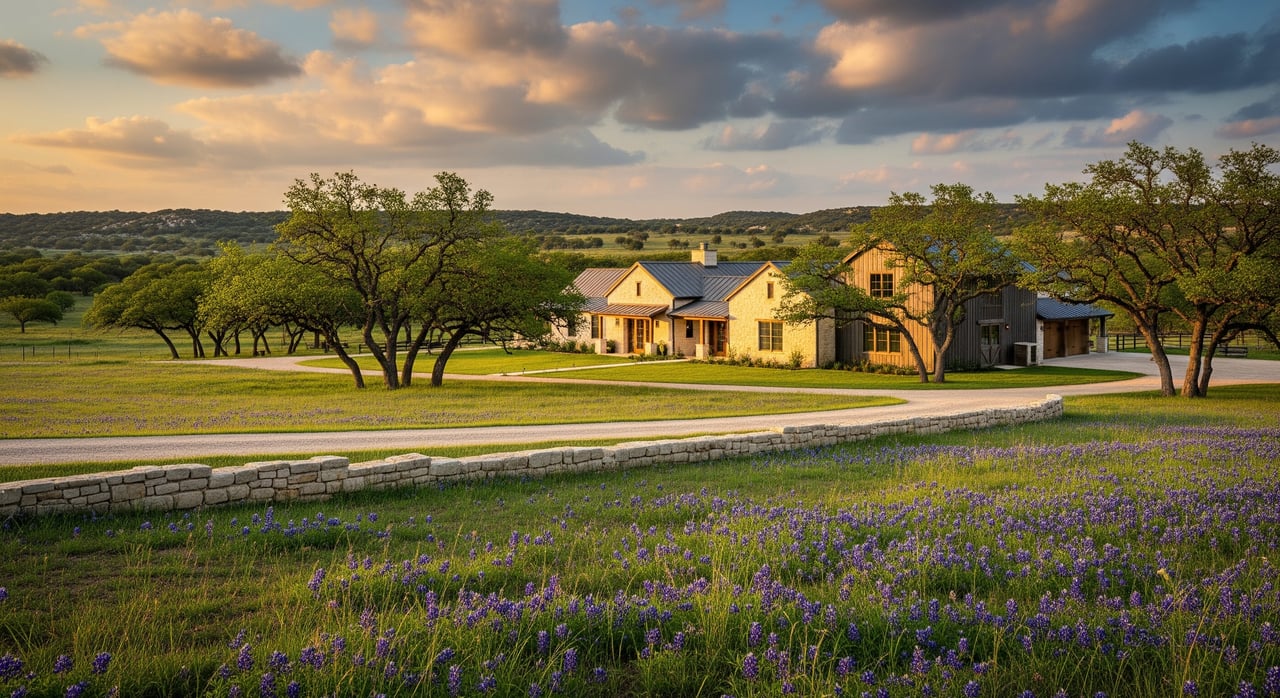
Willow City sits in Gillespie County in the heart of the Texas Hill Country. Local easements often focus on protecting scenic viewsheds, native grasslands and savannah, watershed features, and the rural character that draws you to this area.
Typical terms you might see include:
A conservation easement reduces development potential, which can lower a property’s highest-and-best-use value. At the same time, it can enhance appeal for buyers who value privacy, stewardship, and long-term character. The resale pool is more focused. You will likely be marketing to buyers who seek conservation and rural lifestyle rather than future development flexibility.
Financing can be different too. Some lenders have conservative policies for easement-encumbered properties. They may ask for the full easement documentation and any subordination or non-disturbance agreement. Title companies may include specific exceptions on the policy. You should confirm lender and title positions early so you can plan your path to close.
Ongoing stewardship matters as well. Some easement holders charge monitoring or stewardship fees. These can be one-time or ongoing and may transfer to you as the new owner. Build them into your budget.
Your best protection is to review the record with care and walk the land with the documents in hand. Use this checklist, and engage counsel and your advisory team early.
Documents to obtain and review
Questions to ask the seller and easement holder
Financing, title, and insurance
Paper review is not enough. Confirm what the documents say by walking the property.
Clarity upfront makes for smoother ownership. Where possible, negotiate terms that fit your intended use.
Many buyers use conservation easements as part of long-term legacy planning. Easements can reduce development pressure and help align a property with family goals across generations. Some donated easements have tax and estate effects when they meet federal requirements. If legacy is a priority, confirm that the easement’s restrictions match your long horizon for ranch operations, recreation, and stewardship.
Because easements are generally perpetual, amendment or termination is uncommon and strictly controlled by the easement terms, holder policies, state law, and, for donated easements, federal rules. Understand these limits before you commit.
The goal is to put the property to work for your lifestyle while honoring the conservation purpose. Start by writing down your intended uses in plain language. Then compare each item to the easement document.
If you see mismatches, talk with the easement holder early. Some holders have clear policies for routine approvals that fit the easement’s purpose.
If Willow City is where you see your legacy taking root, a conservation easement can be a feature, not a hurdle. With the right review and a clear plan, you can protect what makes the Hill Country special while building the life you want on the land. The key is to know exactly what the easement says, how local tax valuations work, and how lenders and title companies will approach your deal.
If you would like a property-specific review and a step-by-step plan to contract, inspection, and close, reach out to the Marjorie Group. Our advisor-led team focuses on Hill Country acreage and legacy ranch transactions, and we are here to help you move forward with confidence.
Stay informed with market trends, tips, and community highlights across Fredericksburg and the Hill Country.


From heritage ranches to distinctive homes—we help you move with purpose.
GET IN TOUCH

ADDRESS 106 S LINCOLN ST FREDERICKSBURG TX 78624