Are you weighing a short-term rental in Fredericksburg and wondering if the numbers will pencil? You are not alone. The Hill Country’s wine trails, Main Street charm, and weekend tourism make 78624 a compelling market, but success depends on the right location, amenity mix, and careful underwriting. This guide gives you a clear, practical path to evaluate feasibility, from demand patterns and regulations to operating costs and revenue modeling. Let’s dive in.
Market demand in 78624
Fredericksburg draws year-round leisure travel anchored by wine tourism, outdoor recreation, and a busy events calendar. Weekend and short-break travelers from Austin and San Antonio fill much of the demand, with spikes around festivals and holidays. You can validate peak periods by scanning the visitor bureau’s event calendar on Visit Fredericksburg.
Seasonality is pronounced. Expect a strong spring peak tied to wildflowers and wine events, with secondary peaks on summer weekends and during holidays. Weekdays in the off-season can be soft, and booking lead times are typically shorter for leisure weekends. Special events may book further out. Align your minimum-night strategy to these patterns to balance occupancy and rate.
To quantify market depth and competition, use an STR intelligence tool for city or ZIP-level data. Platforms such as AirDNA’s MarketMinder provide ADR, occupancy, RevPAR, and seasonality curves for Fredericksburg, plus insights on supply growth. Cross-check those insights against the local events calendar to validate demand surges.
Regulations and compliance: city vs county
Regulations vary depending on where the property sits. Your first step is confirming whether it is inside City of Fredericksburg limits or in unincorporated Gillespie County. Zoning and approvals can differ by jurisdiction and even by neighborhood covenants.
Jurisdiction and zoning
- Verify city limits and zoning plus allowed uses through the City code on Municode and confirm county requirements through Gillespie County.
- Some residential zones or HOAs may restrict or ban short-term rentals. Ask for the applicable ordinance section and HOA policy in writing.
Registration, permits, and inspections
- Determine whether an STR registration, business license, or conditional-use permit applies. Ask about safety inspections, occupancy limits, and any required signage.
Taxes and remittances
- Texas Hotel Occupancy Tax applies to short-term stays. Confirm state and any local lodging tax registration and filing responsibilities with the Texas Comptroller’s hotel tax guidance.
- Review whether sales tax applies to cleaning or other fees and who is responsible for collecting and remitting.
Health, safety, and infrastructure
- Ensure smoke detectors, carbon monoxide detectors, egress, and posted occupancy align with code. For rural properties, verify septic capacity and potable water requirements. If the parcel may be in a flood zone, check the FEMA Map Service Center.
Insurance and liability
- Many homeowner policies exclude STR activity. Review coverage with your carrier or STR-specialized insurer. The Insurance Information Institute offers background on policy types and typical coverage gaps. Some lenders and HOAs require disclosure.
Enforcement and penalties
- Ask the city or county about fines, enforcement practices, and permit revocation triggers. Keep written records of guidance you receive.
Property features that move the needle
In Fredericksburg, certain attributes materially impact occupancy and ADR. Focus your search and capex plan on features guests actively value in a Hill Country getaway.
Location advantages
- Walkability to Main Street and downtown dining typically supports higher rates and faster bookings.
- Proximity to winery trails and Enchanted Rock can justify premium weekend pricing.
- Check driveway and road access. Unpaved or narrow approaches can deter some travelers.
Size and layout
- Two to three bedrooms with at least two full baths perform well for small groups. Split-bedroom layouts increase usable capacity and privacy.
- Flex sleeping (sleeper sofas, bunks) can raise max guest counts. Balance added wear against real demand in your comps.
Parking and vehicles
- Off-street parking for multiple cars reduces friction in a weekend-leisure market and avoids complaint risk.
Outdoor amenities
- Hot tubs, fire pits, covered patios, outdoor kitchens, and Hill Country views tend to lift conversion and ADR.
Pet policy
- Pet-friendly listings can increase occupancy. Plan for durable flooring, higher cleaning scope, and a damage-deposit policy.
Systems and comfort
- Reliable HVAC, hot water capacity sized to occupancy, and high-speed Wi‑Fi are baseline expectations. Strong performance supports off-season bookings and better reviews.
Kitchen and laundry
- A full kitchen and in-unit washer/dryer support longer stays and higher guest satisfaction.
Accessibility and safety
- Thoughtful access features can broaden your guest pool. Maintain clear egress, exterior lighting, and secure smart locks. Follow local privacy rules for any exterior-only cameras and disclose devices in the listing.
Presentation
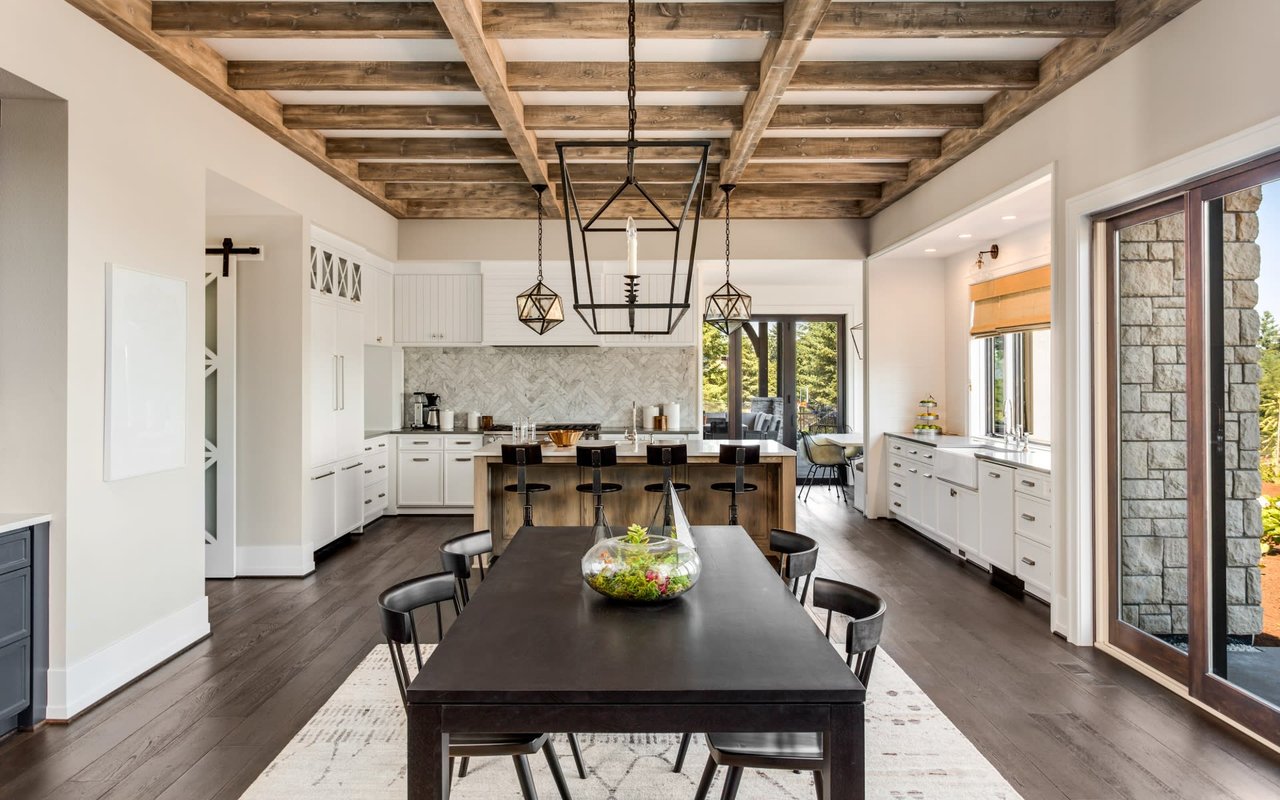
- Professional furnishings and photography materially affect booking velocity. High-quality visuals usually pay back through improved ADR and occupancy.
Operations and cost structure
Your management approach shapes margins and workload. In Fredericksburg’s vacation-rental market, you will commonly see three models.
Plan for recurring operating expenses: utilities, internet, landscaping, trash, routine pest control, insurance premiums, platform commissions, and any HOA dues. Set aside reserves for replacements and capex, plus professional marketing costs such as photos and listing optimization. Cleaning costs vary by size and by turnover frequency, which tends to spike during peak seasons.
On taxes and accounting, collect and remit occupancy taxes on time and keep robust books for income tax compliance. Many owners integrate tax automation tools or rely on their property manager to handle filings. Keep personal-use days tracked separately from rental days for proper treatment.
Build your revenue model
Approach underwriting with local comps and seasonality inputs. Pull ADR and occupancy by month for comparable properties in 78624 using a market data tool such as AirDNA. Then layer in your operational assumptions.
Core inputs to collect:
- Monthly ADR and occupancy curve for your comp set.
- Minimum-night rules by season that affect booking cadence.
- Cleaning fee per turnover and average nights per booking.
- Platform commission and payment processing fees.
- Management fee, if applicable.
- Fixed monthly costs: utilities, internet, HOA, insurance, taxes, landscaping, pool or hot tub service.
- Variable costs: cleaning per turnover, consumables, linen replacement.
- Capital reserves: consider 5 to 10 percent of gross revenue annually for replacements.
- Financing costs: principal, interest, and cash invested for cash-on-cash calculations.
- Local occupancy and any sales taxes per stay or fee type. Confirm requirements via the Texas Comptroller.
Key formulas to use:
- Annual Gross Rental Revenue = sum over months (ADR_month × Occupancy_rate_month × Days_in_month). Simplified: ADR_avg × Occupancy_rate_avg × 365.
- Cleaning income if passed to guests = Cleaning_fee × Number_of_bookings, where bookings ≈ Annual_nights_booked ÷ Average_nights_per_booking.
- Gross Operating Revenue = Rental Revenue + Cleaning income.
- Platform fees = Gross Operating Revenue × Platform_fee_rate.
- Management fee = Gross Operating Revenue × Management_fee_rate.
- Net Operating Income (NOI) = Gross Operating Revenue − Platform fees − Management fee − Operating expenses − Utilities − Insurance − Property taxes − Cleaning costs (if not passed through) − Variable costs.
- Cash Flow after Debt Service = NOI − Annual Debt Service.
- Cash-on-Cash Return = Cash Flow after Debt Service ÷ Cash Invested.
- Cap Rate = NOI ÷ Purchase Price.
- Break-even Occupancy (%) = (Fixed annual costs + desired net income + debt service) ÷ (ADR × 365 − average variable cost per occupied night).
Stress tests and risk checks
Markets evolve. Test your model against common shocks to see how resilient your cash flow is.
- Reduce projected occupancy by 10 to 30 percent and review cash flow.
- Reduce ADR by 5 to 15 percent to simulate price competition.
- Model an increase in competing supply by 10 to 20 percent and revisit pricing strategy.
- Add buffer for unplanned capex and maintenance to avoid rating-impacting delays.
Red flags that can derail feasibility
- Local ordinance or HOA restrictions that prohibit STR use, or permitting that adds high fixed costs.
- Limited parking or difficult road access that lowers guest appeal.
- Septic or water system capacity not aligned with peak occupancy.
- Micro-market oversupply of similar listings compressing ADR and occupancy.
- Strong local enforcement history and frequent fines indicating elevated regulatory risk.
- Overreliance on platform protections without adequate insurance coverage.
Step-by-step due diligence checklist
Validate demand and comps
- Pull 12 months of ADR and occupancy by month for 3 to 5 closest comps in 78624 using AirDNA.
- Note minimum-night rules, pet policies, and amenity differences that affect ADR.
Confirm rules and taxes
- Call City of Fredericksburg planning or code enforcement and Gillespie County permitting for written guidance. Use Municode and the county site.
- Register for applicable lodging taxes per the Texas Comptroller.
Inspect infrastructure and safety
- Verify septic and well capacity where applicable, driveway access, and permitted parking count.
- Check the parcel on the FEMA Map Service Center for flood risk.
Price operations and insurance
- Obtain cleaning, lawn, pool, handyman, pest, plumbing, and electrical bids to build your operating budget.
- Request quotes from carriers for STR coverage and review exclusions with resources from the Insurance Information Institute.
Prepare marketing and launch plan
- Budget for professional photography and listing copy. Set your pricing strategy and a 90-day marketing calendar timed to peak seasons published by Visit Fredericksburg.
When you are ready to move from analysis to action, the right local team can streamline due diligence, connect you to vetted vendors, and help you source properties that fit your revenue goals.
If you would like a localized underwriting review or help identifying STR-ready properties in 78624, reach out to the Marjorie Group. Our advisory approach blends on-the-ground insight with polished marketing and national reach so you can invest with confidence.
FAQs
How do Fredericksburg’s peak seasons affect STR pricing and occupancy?
- Spring shows the strongest demand, with additional spikes on summer weekends and holidays. Use a market tool for monthly ADR and occupancy curves, then set higher seasonal rates and enforce weekend minimums to maximize revenue.
What permits or registrations might I need for a Fredericksburg STR?
- Requirements depend on city vs county location. Verify zoning, STR registration or permits, inspections, and any signage rules using the City’s code on Municode and by contacting Gillespie County permitting directly.
Which taxes apply to short-term stays in 78624?
- Texas Hotel Occupancy Tax applies, and local lodging taxes may as well. Confirm registration, collection, and filing responsibilities with the Texas Comptroller and your local authority.
Which property features most improve ADR in this market?
- Walkability to Main Street, proximity to wineries or Enchanted Rock, outdoor amenities like hot tubs or fire pits, multiple bathrooms, strong Wi‑Fi, and professional photography are common revenue drivers.
How should I estimate cleaning and turnover costs for my underwriting?
- Price by property size and scope, then estimate bookings as annual nights booked divided by average nights per stay. Multiply bookings by your cleaning fee and add seasonal turnover intensity around peak periods.
How can I check flood risk or infrastructure constraints on a rural parcel?
- Search the property address on FEMA’s Map Service Center to assess flood zone status and confirm septic and water capacity with the county. Factor any special insurance or system upgrades into your model.