
March 5, 2026
Thinking about launching a short-term rental in Comfort? You are not alone. Comfort sits in the Texas Hill Country sweet spot where wine country weekends, historic downtown charm, and easy drives from San Antonio and Austin meet. If you want an STR that feels boutique and bookable, this guide shows you how to size demand, pick the right product, stay compliant, and dial in operations for returns that last. Let’s dive in.
Comfort is a small, historic community in Kendall County with a setting near the Guadalupe River and quick access to the I‑10 and US‑87 corridor. That makes it a natural base for weekenders headed to wineries, antiques on High Street, and Hill Country outdoors. Fredericksburg, a major tourism hub, is about 23 miles away, which keeps Comfort within the same visitor orbit for many trips. You can see the drive time context in this route distance from Comfort to Fredericksburg for planning purposes. Fredericksburg is about 23 miles from Comfort.
Local attractions matter too. Small wineries and tasting rooms, including spots like Singing Water Vineyards, pull steady wine-country traffic, especially during spring and fall. Pair that with a preserved historic core and you get a destination that invites slower, multi-night stays.
On the supply side, third-party STR snapshots show a modest but active market around Comfort. Data providers list roughly 80 or more active listings and show clear seasonal swings in occupancy and revenue. Use a dedicated market tool to confirm active listings, ADR, and trends before you buy or list. Start with this Comfort market snapshot on AirROI. Also note that Kendall County home prices often sit above Texas-wide averages, which means your entry cost may be higher than in some peer markets. Build that into your underwriting.
Hill Country travel follows clear patterns. If you plan pricing and minimum-stay rules around these windows, you give your STR a strong start.
Market-level data for Comfort shows that peak months can vary year to year. Some datasets cite November as a recent revenue high, while classic Hill Country peaks are spring and fall. The takeaway is simple. Validate seasonality for your exact product type and bedroom count using a platform-level comp set. You can start with AirROI’s Comfort view to see directionally what hosts experienced.
Typical guest types to plan for:
Comfort’s STR mix skews toward entire-home listings, B&Bs, and boutique stays. Start by choosing the guest you want to serve, then build a product that delivers.
Positioning ideas:
Amenities that convert in the Hill Country:
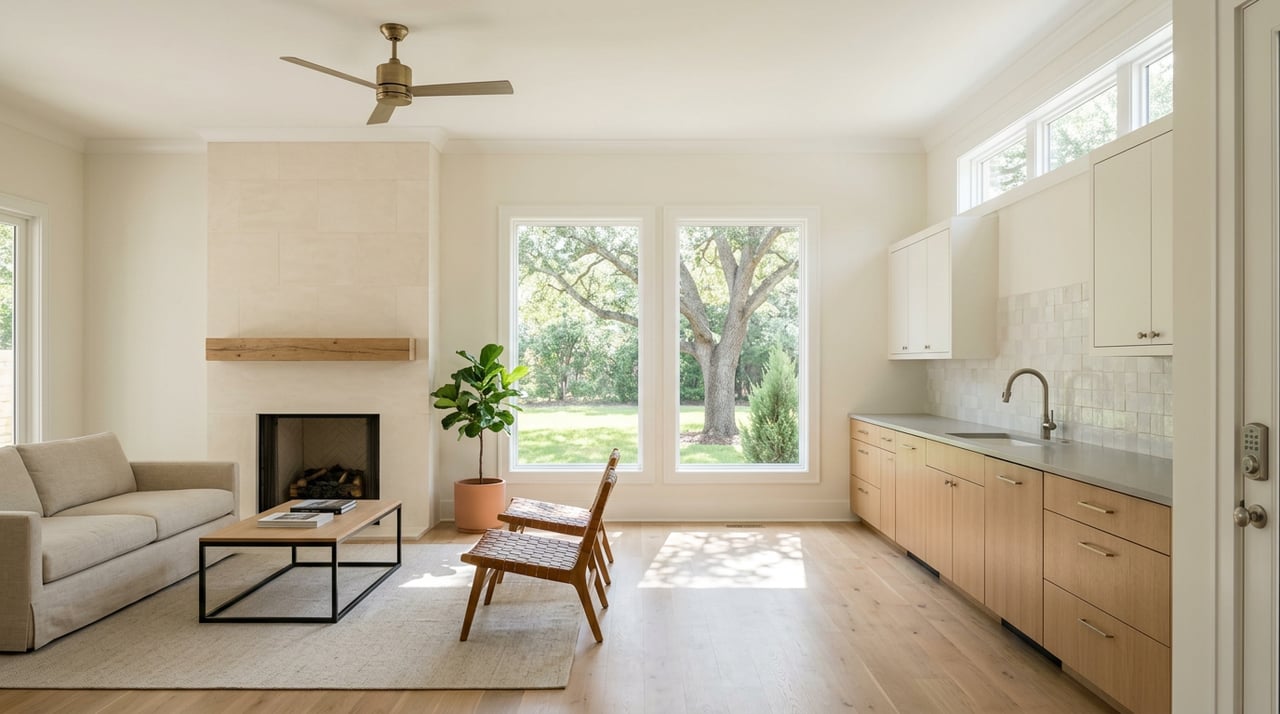
Photography and listing craft are nonnegotiable. Hosts and photographers regularly report strong lifts in clicks and bookings when listings use bright, uncluttered photos and a compelling cover image. Treat professional photography as day-one capex. If you need a checklist, review these actionable Airbnb photography tips to plan the shoot and cover photo.
Operating near the Comfort Historic District? Exterior changes can be limited. Before altering a façade or adding signage, confirm local historic guidance. The Texas Historical Commission hosts Comfort’s district record here: Comfort Historic District listing.
Your revenue will reflect how well you manage pricing, turnovers, and guest experience. Build a simple system first, then layer in tools.
Pricing and calendar basics:
Operations that protect reviews and neighbors:
Comfort is an unincorporated community, so you will work primarily with Kendall County and any HOA or deed restrictions that apply to your property. Before you buy or list, confirm what is allowed on your exact parcel with Kendall County’s offices. Recorded covenants can prohibit rentals or require certain conditions, even when a county does not issue STR permits.
Plan for taxes:
Safety and neighbor standards:
Use this simple checklist as you compare properties in and around Comfort:
Confirm you can legally operate. Call Kendall County planning and check recorded HOA or deed restrictions for the specific parcel. Start here: Kendall County contacts.
Pull market comps. Use an STR data tool to size your comp set by bedroom count and to see seasonality, ADR, and RevPAR. Begin with AirROI’s Comfort snapshot.
Model taxes and owner use. Apply the Texas HOT rules and the IRS mixed-use guidance to your calendar assumptions. Reference the Comptroller’s HOT FAQ and IRS Publication 527, then review with a CPA.
Build an operating budget. Include cleaning, utilities, insurance, photography and staging, pricing engine subscriptions, noise monitoring, and management fees if you hire a professional.
Check historic limits if relevant. If the home is in or near the Comfort Historic District, confirm exterior and signage rules. See the district listing.
Interview local partners. Speak with at least two property managers, a CPA, and an insurance broker to validate occupancy assumptions and coverage details.
Comfort rewards hosts who match their product to clear guest demand, price around spring and fall peaks, and keep operations simple and reliable. If you want help comparing property options, pressure-testing returns, or navigating local rules, connect with a Hill Country advisor who works this market every day. Reach out to Marjorie Group to refine your Comfort STR strategy and move forward with confidence.
Stay informed with market trends, tips, and community highlights across Fredericksburg and the Hill Country.

From heritage ranches to distinctive homes—we help you move with purpose.
GET IN TOUCH
ADDRESS 106 S LINCOLN ST FREDERICKSBURG TX 78624