March 24, 2026
You want wide‑open Hill Country views, room to breathe, and a ranch you can shape to your goals. The question is where to plant your flag: closer to Fredericksburg or farther out near Willow City. Each market offers compelling benefits, but the tradeoffs are real. In this guide, you’ll compare access, tract sizes, utilities, taxes, tourism rules, and the due‑diligence steps that matter before you write an offer. Let’s dive in.
Willow City is an unincorporated community northeast of Fredericksburg, commonly cited at roughly 12 miles from downtown depending on the parcel and route. You’ll find it along FM 1323 with local connectors like RM 1631 shaping drive times. For most properties, you can expect about a 12 to 20 minute drive to Main Street Fredericksburg. For occasional metro trips, many buyers plan on roughly 75 to 90 minutes to Austin and 65 to 75 minutes to San Antonio. Always map from the exact address to your daily stops before you commit.
Outdoor access is a big reason buyers look here. North of Fredericksburg, Enchanted Rock State Natural Area draws hikers and climbers with sweeping granite domes and long‑range views. The scenic Willow City Loop winds through wildflower country each spring. These attractions add beauty and seasonal traffic, which can shape your experience depending on how close your driveway sits to a popular route.
In Gillespie County, working lands are a core part of the landscape. The 2022 USDA Census of Agriculture reports 2,021 farms across 548,817 acres, with an average farm size of 272 acres. That big‑land backdrop helps explain what you’ll see on the open market.
Pricing varies widely by size, improvements, and proximity to Main Street. Use recent MLS comps for apples‑to‑apples comparisons by tract type and always date your examples. We recommend asking your advisor for a segmented look at per‑acre trends by size bracket before you negotiate.
If you want to host friends and enjoy town frequently, the closer‑in market may fit. If your top priority is solitude on a larger canvas, Willow City rises to the top.
Inside Fredericksburg city limits, municipal water and wastewater are available and managed by the city. In Willow City and most unincorporated areas, you’ll rely on a private water well and an on‑site sewage facility (septic). Gillespie County administers OSSF permitting, and the Hill Country Underground Water Conservation District manages well permits and setbacks. Review the county’s development and permitting resources early in your process, and verify well yield and water quality during your option period.
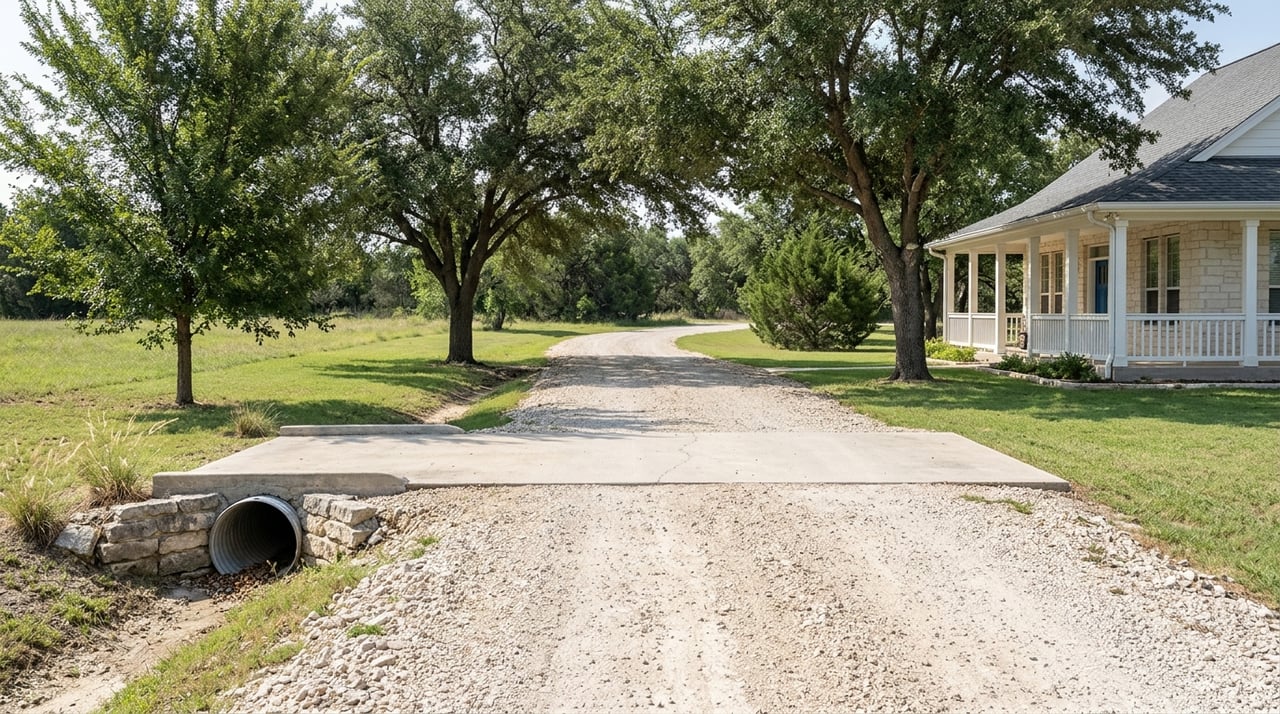
Outside the city, many properties are reached via county roads and private drives. Confirm who maintains the road and your driveway, whether there are recorded easements or shared maintenance agreements, and what permits apply for new or modified access. County rights‑of‑way and state routes have different rules, and it is best to get answers in writing before you close.
Willow City is served by volunteer fire and rescue with county E‑911 dispatch. Response times are typically longer than inside Fredericksburg. Ask which unit covers your parcel, typical response time, and any nearby mutual‑aid relationships. The Gillespie County Communications Center lists volunteer departments and handles countywide dispatch.
If nightly rental income is part of your plan, know where the lines are. Inside Fredericksburg, short‑term rentals require permits and inspections, and the city publishes clear guidance and a searchable map. Properties outside city limits or in the ETJ may face different rules, and some HOAs restrict rentals regardless of location. Always confirm before assuming cash flow.
Many legacy buyers consider conservation tools to preserve scenery and limit future subdivision. Conservation easements in the Hill Country can permanently protect land while potentially offering estate, income, or property tax benefits. Easements are highly specific. Decide on your long‑term vision early so you can keep your options open through negotiations.
Texas offers special open‑space agricultural appraisals that can significantly reduce property taxes when land meets qualifying agricultural or wildlife‑management use. Start with the Texas Comptroller’s guidance on open‑space agricultural appraisal for eligibility, local intensity standards, and forms like 50‑129. These valuations are not automatic and depend on use history, inspections, and county standards. They also carry rollback risks if use changes. Ask the listing agent for the parcel’s CAD number and current appraisal status, and verify details directly with the Gillespie County Appraisal District before you rely on tax projections.
Bring this list to every ranch tour and keep notes by parcel:
When you are ready to narrow your shortlist, we will help you verify well data, septic permits, driveway and easement details, and current CAD status so you can move forward with confidence. Ready to compare parcels side by side and build a plan that fits your goals? Connect with Marjorie Group for an advisor‑led walkthrough of both markets.
Stay informed with market trends, tips, and community highlights across Fredericksburg and the Hill Country.
From heritage ranches to distinctive homes—we help you move with purpose.
GET IN TOUCH
ADDRESS 106 S LINCOLN ST FREDERICKSBURG TX 78624