April 2, 2026
What makes a stretch of highway turn into an investment story? Around Hye, the answer is not just traffic on US-290. It is the way wineries, tasting rooms, events, and weekend travel patterns have turned the 290 Wine Trail into one of the Texas Hill Country’s most recognizable tourism corridors. If you are thinking about buying land, a guest lodging property, or a hospitality-oriented asset near Hye, you need a clear view of what drives demand and where diligence matters most. Let’s dive in.
Hye benefits from being part of a much larger wine-tourism ecosystem. According to Texas Hill Country Wineries, the Texas Hill Country AVA spans 9 million acres, includes more than 100 wineries, and supports about 1,000 acres of vineyards. The organization also describes Wine Road 290 as a 45-mile stretch between Johnson City and Fredericksburg that has seen major growth in wineries and tasting rooms.
That matters because Hye is not competing as a stand-alone stop. It sits inside a corridor that already attracts visitors who are planning full-day and multi-stop outings, which can support overnight stays and hospitality-focused real estate.
Along the Hye stretch itself, Texas Hill Country Wineries' winery listings include destinations such as Bingham Family Vineyards, Blue Lotus Winery, Hye Meadow Winery, Pontotoc Vineyard Picnic Table, Ron Yates Winery, and William Chris Vineyards. Several listings note limited weekly schedules or encourage reservations, which can push visitors toward more intentional trip planning rather than quick pass-through stops.
The investment case around Hye starts with tourism. Blanco County’s economic development plan identifies tourism as a meaningful source of tax dollars and specifically points to vineyards and wineries as a major part of that sector. You can see that county-level signal in the Blanco County tourism and economic development plan.
This is also a year-round destination pattern, not a one-season spike. Texas Hill Country Wineries highlights seasonal draws that include spring wildflowers, summer water activities, and winter holiday lights, alongside winery visits, dining, and upscale lodging. Its calendar also includes passport events, winemaker dinners, live music, grape stomps, and holiday programming.
That event mix helps broaden the visitor base. Instead of relying only on a classic day-trip wine taster, the corridor can appeal to couples, friend groups, celebration travel, and small organized groups across multiple times of year.
One of the clearest signals for investors is how people actually move through the wine trail. The attractions and accommodations page from Texas Hill Country Wineries notes that Hill Country Wine Tours offers door-to-door private day trips seven days a week and can pick up guests from residences, guest houses, offices, and hotels across Central Texas.
That detail points to more than simple drive-in traffic. It suggests a market where overnight accommodations fit naturally into the travel pattern, especially for small groups who want convenience, privacy, and a full weekend experience.
For many buyers, that makes Hye interesting not because it feels urban or dense, but because it sits in the middle of a leisure route where visitors may prefer to stay close to their tasting itinerary. That is an important distinction if you are evaluating whether a property is better suited for personal use, long-term hold, or hospitality income potential.
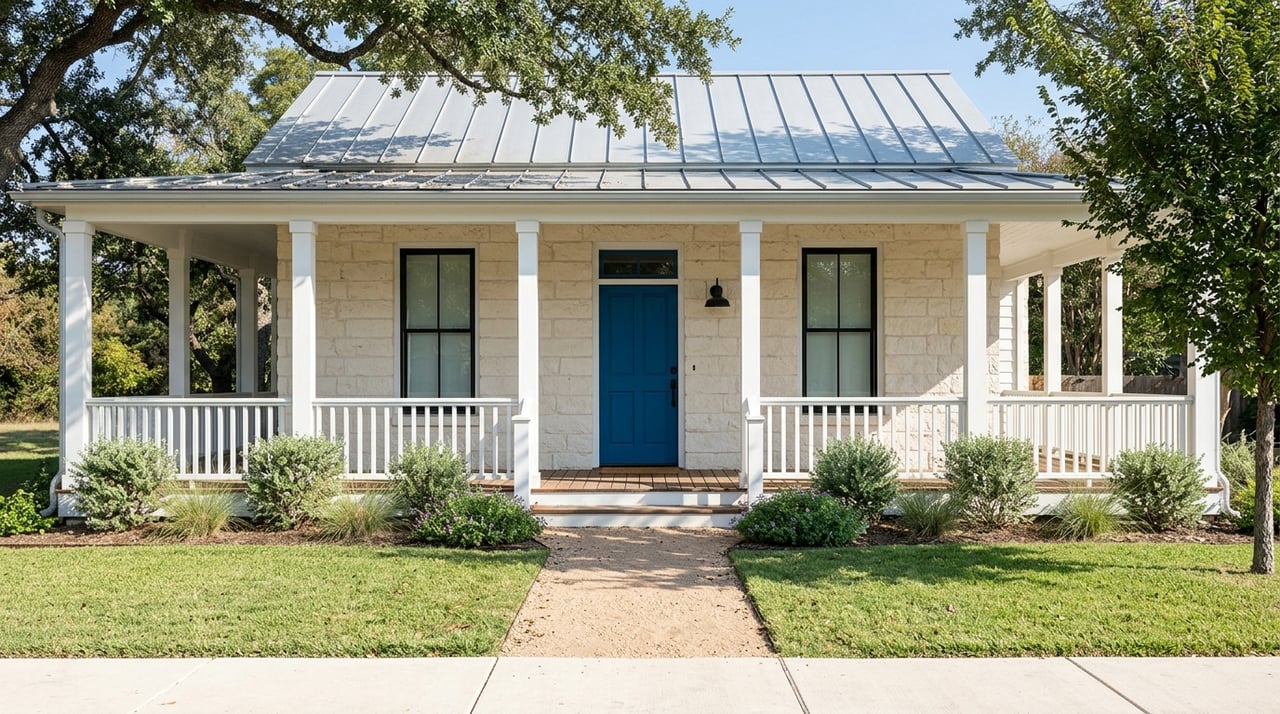
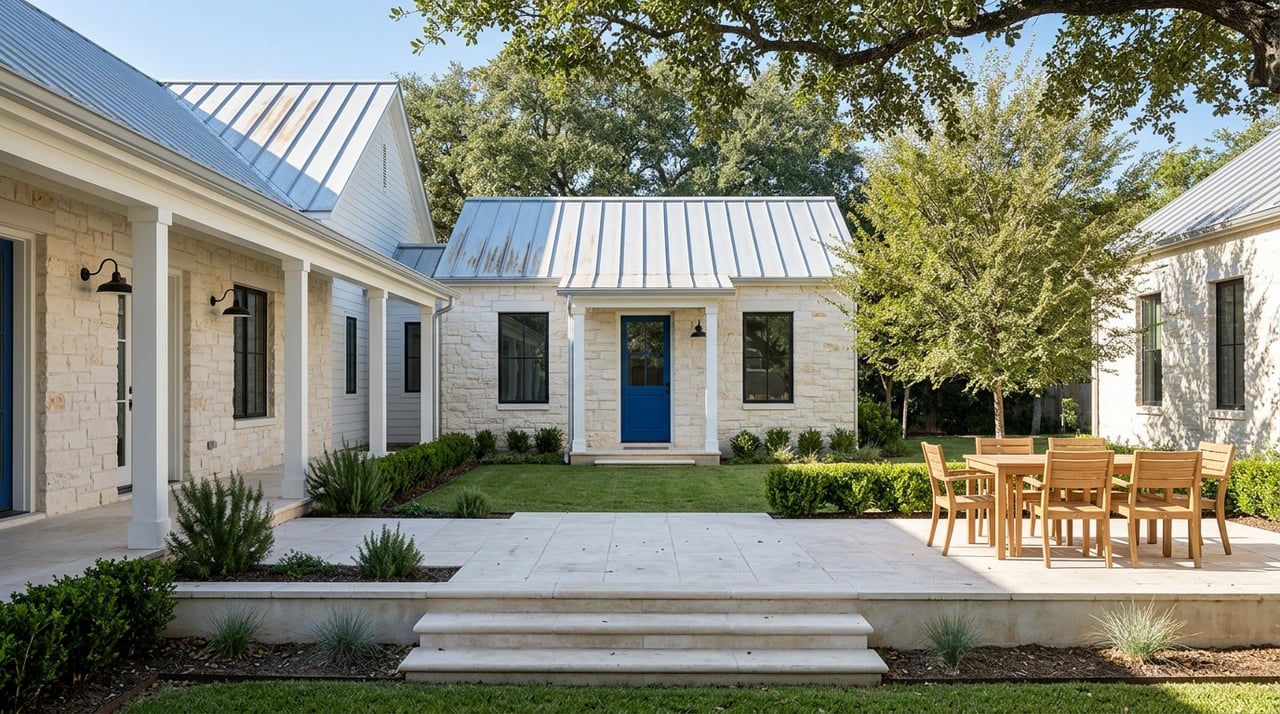
In this corridor, smaller and more curated lodging concepts appear to fit the strongest existing demand. The Texas Hill Country Wineries accommodations page features options such as on-property B&B cottages at Messina Hof Hill Country Winery and barndominium-style guest houses at Hacienda Amor, including a property designed for just 16 guests at a time.
That points toward an experience-driven lodging model rather than a generic large-format hotel thesis. In practical terms, the best fit may include:
The appeal is easy to understand. Wine-trail visitors often want simple parking, privacy, and a low-friction route between tasting appointments, meals, and evening downtime.
Not every investor needs an operating lodging property on day one. For some buyers, a land position near Hye may offer flexibility, especially if the parcel has usable frontage, buildability, and enough site capacity for future hospitality-oriented improvements.
That said, land here is not a purely abstract hold. County development rules matter, and future usability depends heavily on access, utilities, septic planning, and the nature of the intended project.
Blanco County’s development rules and regulations govern subdivisions outside incorporated city boundaries and address issues such as platting, water availability, OSSF and septic approvals, and traffic review for commercial development. If you are considering land as an investment along the 290 corridor, those factors should shape your underwriting early.
Blanco County remains a relatively small county, but it is growing. The U.S. Census Bureau QuickFacts for Blanco County estimates the 2024 population at 13,358, up 17.4% from 2020, and reports a median owner-occupied housing value of $483,500.
Growth can support investment momentum, but it can also bring pressure on infrastructure and access. That is especially relevant along US-290, where traffic and safety are already part of the planning conversation.
TxDOT’s US 290 West projects and studies page says the agency is studying the corridor from US 281 to RM 12 to address safety and future traffic demand. It also notes that the study will establish an ultimate project footprint that could be used to provide setbacks for new development.
For an investor, that means frontage and access deserve close attention. A beautiful parcel or a charming hospitality concept can look very different once future right-of-way, ingress, egress, or setback questions come into focus.
Before you buy near Hye with a lodging or tourism-oriented strategy in mind, it helps to pressure-test the basics. The most attractive story is not always the best executable investment.
Focus on these diligence items early:
The tax piece is especially important because compliance is not just a platform setting. The Texas Comptroller guidance makes clear that hotel occupancy tax is a legal and tax compliance issue, and both county and state materials point owners toward legal and accounting professionals for property-specific questions.
If you strip away the hype, the Hye investment story is fairly focused. The strongest thesis appears to be a small, well-located, design-forward lodging property or a land position with realistic future hospitality potential, rather than a broad, one-size-fits-all hotel concept.
That view is supported by the corridor’s tourism pattern, winery concentration, event activity, and overnight travel cues. It is also shaped by local realities like tax compliance, septic approvals, roadway considerations, and county development standards.
In other words, success here is not just about buying near wineries. It is about matching the property type to how people actually use the 290 Wine Trail.
If you are narrowing in on a property near Hye, start with a simple framework:
That process can help you separate a compelling narrative from a workable asset. In a market like Hye, the details often determine whether an investment feels easy to own and operate or difficult from the start.
If you are exploring investment property, land, or hospitality-oriented opportunities along the 290 Wine Trail, working with an advisor who understands both Hill Country real estate and the diligence behind complex property decisions can make the process far more strategic. The team at Marjorie Group brings a place-based, advisory approach to Hill Country transactions, helping you evaluate not just what is attractive on paper, but what makes sense on the ground.
Stay informed with market trends, tips, and community highlights across Fredericksburg and the Hill Country.
From heritage ranches to distinctive homes—we help you move with purpose.
GET IN TOUCH
ADDRESS 106 S LINCOLN ST FREDERICKSBURG TX 78624