
May 7, 2026
Selling a historic home in Fredericksburg is not the same as listing any other property. Buyers are often drawn to original materials, story, and craftsmanship, but they also want clarity about condition, prior work, and local review rules. If you are getting ready to sell, the right preparation can help you protect the home’s character while making the transaction smoother. Let’s dive in.
Before you plan repairs, staging, or photography, confirm how your home is classified locally. In Fredericksburg, there is an important difference between a home that is locally designated, a contributing property within the historic district, and an older home that has no local historic status.
That step matters because local designation usually drives what review rules apply. The City of Fredericksburg maintains a historic district map, a list of individual landmarks outside the district, and survey materials that can help you verify where your property stands.
It is also helpful to separate the word “historic” from the legal status of the property. The Texas Historical Commission notes that National Register listing by itself does not automatically restrict a private owner, while local ordinances may create review requirements. In practical terms, Fredericksburg sellers usually need to focus first on local district or landmark status.
If your home is a historic property under local rules, exterior changes require an approved Certificate of Appropriateness, often called a COA. The city states that some requests may be handled administratively, while others must go before the Historic Review Board.
This is one of the most important steps to understand before listing. If you are planning exterior work to improve marketability, such as roof repairs, porch updates, chimney work, or window changes, you should check the COA process first and build in enough lead time.
Fredericksburg’s design guidelines are meant to help property owners and real estate professionals understand appropriate improvement methods. The guidance covers major exterior elements including roofs, chimneys, porches, walls, doors, windows, lighting, landscape features, energy efficiency, additions, and new construction.
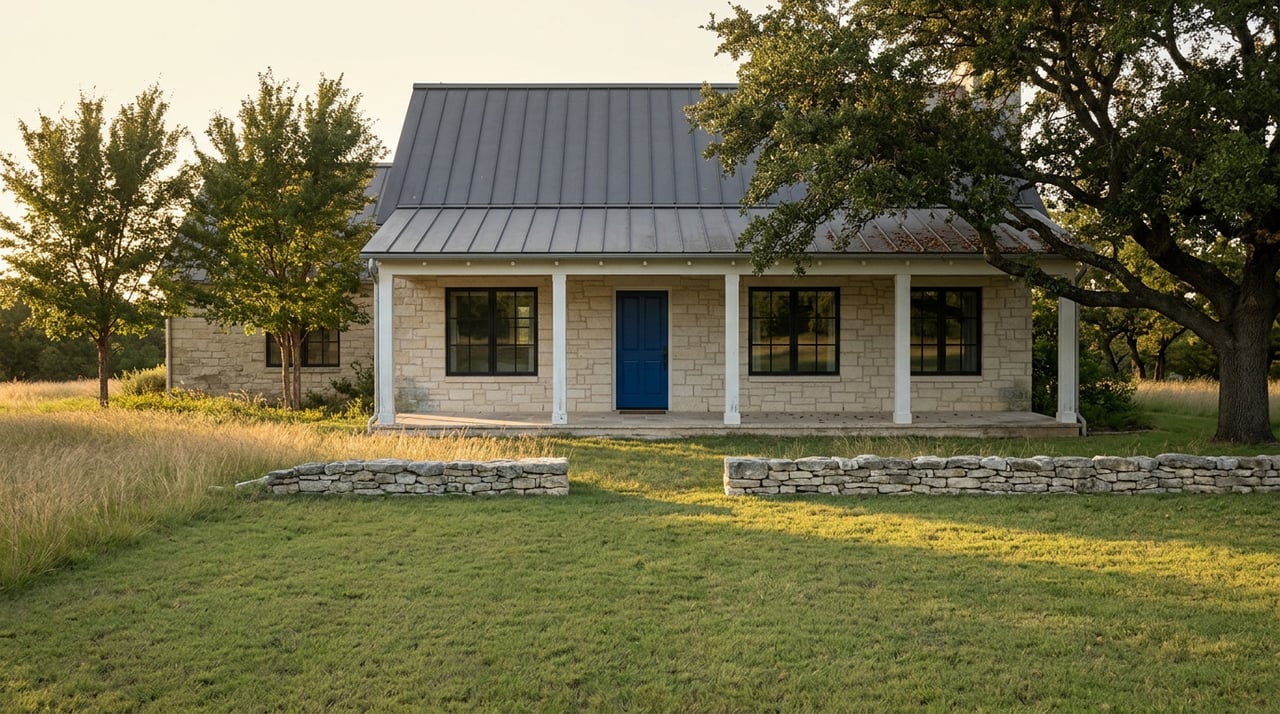
Historic homes tend to show best when the real architecture does the talking. National Park Service guidance says a building’s character comes from elements like its setting, shape, roof features, porches, window and door openings, exterior materials, craftsmanship, and important interior spaces and finishes.
For you as a seller, that means your goal is not to create a themed house. Instead, you want buyers to clearly see the original woodwork, trim, floors, fireplaces, staircases, windows, and porch details that make the home distinctive.
A restrained approach usually works best. Clean rooms, lighter furniture, and fewer accessories can help buyers notice scale and function without covering up the features they came to see.
If you are prioritizing your time and budget, start with the spaces buyers tend to notice first. Staging research points to the living room, primary bedroom, kitchen, and dining room as the rooms that most often matter.
In a Fredericksburg historic home, these spaces should feel calm, usable, and authentic. You do not need to force period styling into every corner. In fact, overly theatrical decor can distract from the home’s real history and make it harder for buyers to picture their own life there.
A better strategy is to keep the presentation simple:
When pre-listing work is needed, historic properties call for a careful approach. National Park Service standards favor repair over replacement whenever possible, and when replacement is necessary, the new work should closely match the old in design, color, texture, and, where possible, materials.
That guidance matters even more in Fredericksburg because local design guidelines are used to evaluate exterior changes in the historic district and on local landmarks. A quick modern swap may seem efficient, but it can create review issues or weaken the property’s visual integrity.
If you are deciding where to spend money before listing, think first about visible deferred maintenance and items likely to trigger buyer concern. A repaired original feature often supports both marketability and preservation better than an unnecessary replacement.
Historic-home buyers often look closely at the same systems and surfaces that can become inspection flashpoints later. According to the National Trust’s inspection guidance, buyers commonly focus on the roof, chimney, walls, porch, windows, floors, stairs, basement, attic, and major systems.
That makes pre-listing preparation especially valuable. If these areas look neglected, or if past repairs are hard to explain, buyers may assume the unknowns are larger than they really are.
You do not need to make an older home feel brand new. You do need to reduce uncertainty. Clear maintenance records, visible care, and a straightforward explanation of prior work can make negotiations much easier.
For a historic home, your documentation package should go beyond a standard disclosure folder. Buyers of older properties often want to understand what is original, what has been repaired, and what has changed over time.
A well-organized seller file can help answer those questions before they become objections. It can also help your listing stand out in a market where buyers may take more time to evaluate options.
Consider gathering:
The Texas Historical Commission notes that research materials like old photographs, deed records, tax records, maps, and blueprints can help document a property’s history. That kind of information may not be required to sell, but it can add confidence and context for the right buyer.
Historic homes benefit from thoughtful visual preparation. Good photography should show both the beauty of the house and the condition of key spaces buyers will evaluate carefully.
A complete visual record is useful in two ways. First, it helps marketing by showing the home’s setting, exterior, interior, and standout architectural details. Second, it supports your documentation file when you can clearly show work that was completed and the condition of the property before listing.
If you have records of previous projects, pair those with clear images. For many buyers, seeing organized evidence of care is just as helpful as hearing that updates were done.
Fredericksburg sellers should be ready for a measured market pace. In the February 2026 Central Hill Country Board of REALTORS market report, the Fredericksburg local market area showed 9.5 months of inventory for existing-home residential sales, 135 days on market, and a 92.5 percent sale-to-list ratio.
For a historic home, those numbers reinforce an important point. Architectural charm alone is not enough to carry the sale. Pricing, presentation, and documentation all matter, especially when buyers may take more time to compare condition, authenticity, and future repair expectations.
That does not mean historic homes are harder to sell when they are properly prepared. It means thoughtful preparation can have an outsized impact because it helps buyers understand what they are getting and why the home is worth the asking price.
If you want a simple way to prioritize your next steps, focus on the work that reduces uncertainty and protects character. In most cases, the highest-value prep is not cosmetic modernization.
Instead, aim to do three things well:
That approach respects the property, supports smoother negotiations, and helps your home compete on more than charm alone. In a place like Fredericksburg, where heritage and marketability often intersect, that balance matters.
When you are ready to position a historic Fredericksburg home for the market, working with a local advisory team can help you navigate the details with care. Connect with Marjorie Group for thoughtful guidance on preparing, presenting, and marketing your property.
Stay informed with market trends, tips, and community highlights across Fredericksburg and the Hill Country.
From heritage ranches to distinctive homes—we help you move with purpose.
GET IN TOUCH

ADDRESS 106 S LINCOLN ST FREDERICKSBURG TX 78624